Raise Your Manufacturing Quality With Specialist CNC Machining Solutions in Milling and Transforming
CNC machining solutions in milling and turning deal significant advantages for manufacturing operations. These procedures ensure precision and performance, crucial for creating high-quality parts. With advanced technology and skilled machinists, companies can achieve superior surfaces and detailed designs. Recognizing the nuances of these services is important for maximizing their advantages. What variables should companies think about when selecting the right CNC machining partner?
Understanding CNC Machining and Its Advantages
Many making processes exist, CNC machining stands out due to its accuracy and efficiency. This innovative production strategy uses computer-controlled machines to produce intricate get rid of minimal human intervention. By automating the machining procedure, it substantially reduces the chance of human error, making sure consistent high quality throughout manufacturing runs
CNC machining provides numerous benefits that appeal to numerous sectors. To begin with, it fits complex designs that standard approaches may battle to achieve. The rate of production is enhanced, allowing for quicker turnaround times and raised result. Additionally, CNC machining is functional, suitable for a variety of products, including plastics, steels, and composites.
Moreover, the process permits for very easy changes, making it possible for fast prototyping and modification without substantial retooling. Because of this, businesses can respond quickly to market needs, making CNC machining a necessary element of modern manufacturing techniques.
The Relevance of Precision in Milling Processes
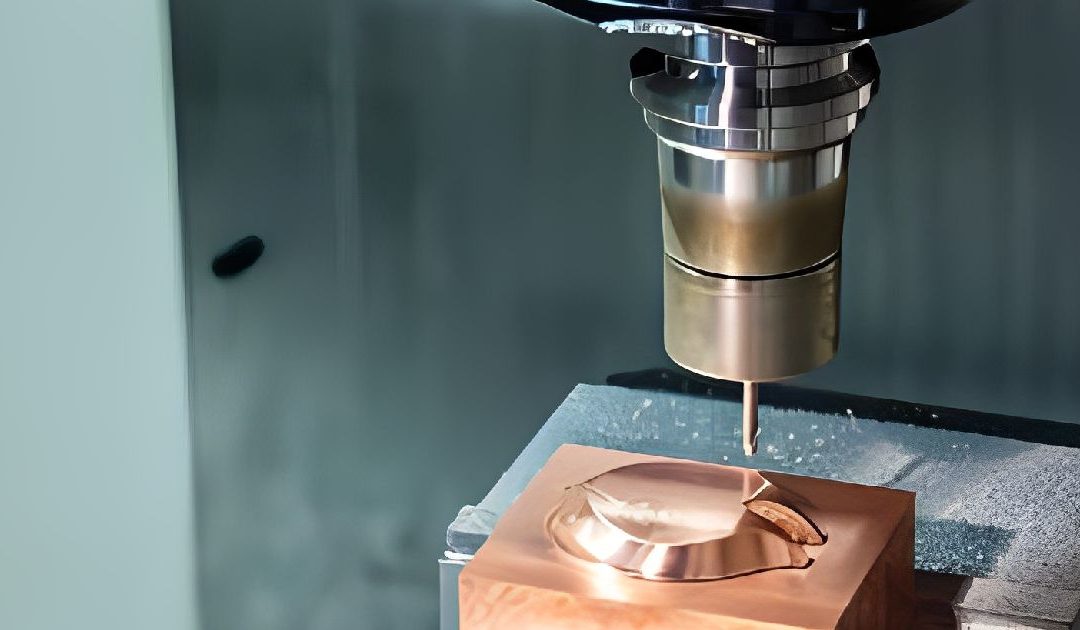
Precision is vital in milling processes, as it directly influences the accuracy of the end product. The selection of products likewise plays a considerable function, affecting exactly how well the machining procedure fulfills specified tolerance criteria. Recognizing these aspects is important for accomplishing ideal results in CNC machining.
Function of Precision
Accomplishing high degrees of accuracy is crucial in milling procedures, as even the tiniest variance can cause considerable errors in the final product. Accuracy in CNC machining directly affects the efficiency, capability, and longevity of the manufactured elements. Accurate crushing assurances that measurements and tolerances are fulfilled, which is vital for parts that must mesh seamlessly in assembly or run under certain problems. In addition, the role of precision reaches lowering waste and rework, thereby improving total production effectiveness. Advanced CNC equipments geared up with innovative software application and tooling add to achieving the essential precision. By prioritizing precision in milling, producers can ensure high-grade outcomes that satisfy rigorous industry standards and customer expectations.
Product Option Effect
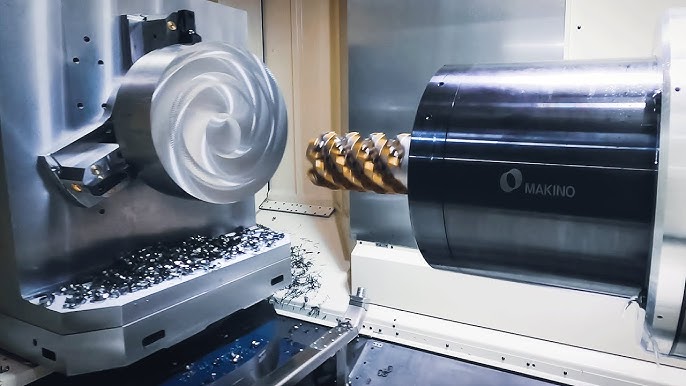
Material selection plays an essential duty in the milling procedure, affecting both the quality of the end product and the efficiency of production. Various materials display special buildings such as solidity, tensile toughness, and machinability, which straight affect the milling technique used. More challenging products might require specialized devices and slower feed rates to avoid tool wear and maintain accuracy. On the other hand, softer materials can be milled at higher rates however may lack longevity. Furthermore, the choice of product can influence surface coating and dimensional precision, necessitating careful consideration by producers. Ultimately, selecting the suitable product not just enhances item efficiency however also enhances the milling process, lowering waste and improving overall performance.
Resistance Criteria Significance
While the option of materials is important, adherence to resistance standards is equally critical in CNC machining procedures. Resistance requirements determine the acceptable limits of variation in measurements, guaranteeing parts fit and operate properly. In milling and transforming procedures, precise tolerances improve item top quality, reduce waste, and minimize rework. When tolerances are accurately kept, makers can achieve consistent outcomes, which is important for markets such as aerospace, automobile, and medical gadgets, where precision is extremely important. Discrepancies from developed standards can result in setting up problems, compromised efficiency, and enhanced expenses. Consequently, understanding and executing proper tolerance standards is basic for any type of CNC machining solution seeking to keep high production top quality and satisfy client requirements properly.
Enhancing Efficiency Via Advanced CNC Transforming
Advanced CNC transforming techniques substantially enhance effectiveness in part creation by making certain high precision in manufacturing. This enhanced accuracy not only enhances the overall top quality of the components generated however also adds to minimized manufacturing time. Because of this, makers can accomplish better output while preserving strict high quality criteria.
Accuracy in Component Creation
CNC transforming innovation has changed accuracy in part creation, enabling suppliers to achieve extraordinary accuracy and efficiency. Making use of computer-controlled lathes, this innovative process thoroughly forms materials right into elaborate layouts, ensuring limited resistances that satisfy requiring specs. The automation intrinsic in CNC transforming decreases human error, causing continually high-quality parts customized to specific demands. Additionally, the capacity to rapidly customize electronic layouts permits quick models, enhancing the modification of parts without giving up accuracy. Consequently, industries varying from aerospace to auto advantage considerably from these innovations, as they can produce complex geometries with convenience. Ultimately, CNC transforming here are the findings stands as a cornerstone of modern-day manufacturing, driving precision and dependability in component development.
Decreased Manufacturing Time
Trick Technologies in CNC Machining
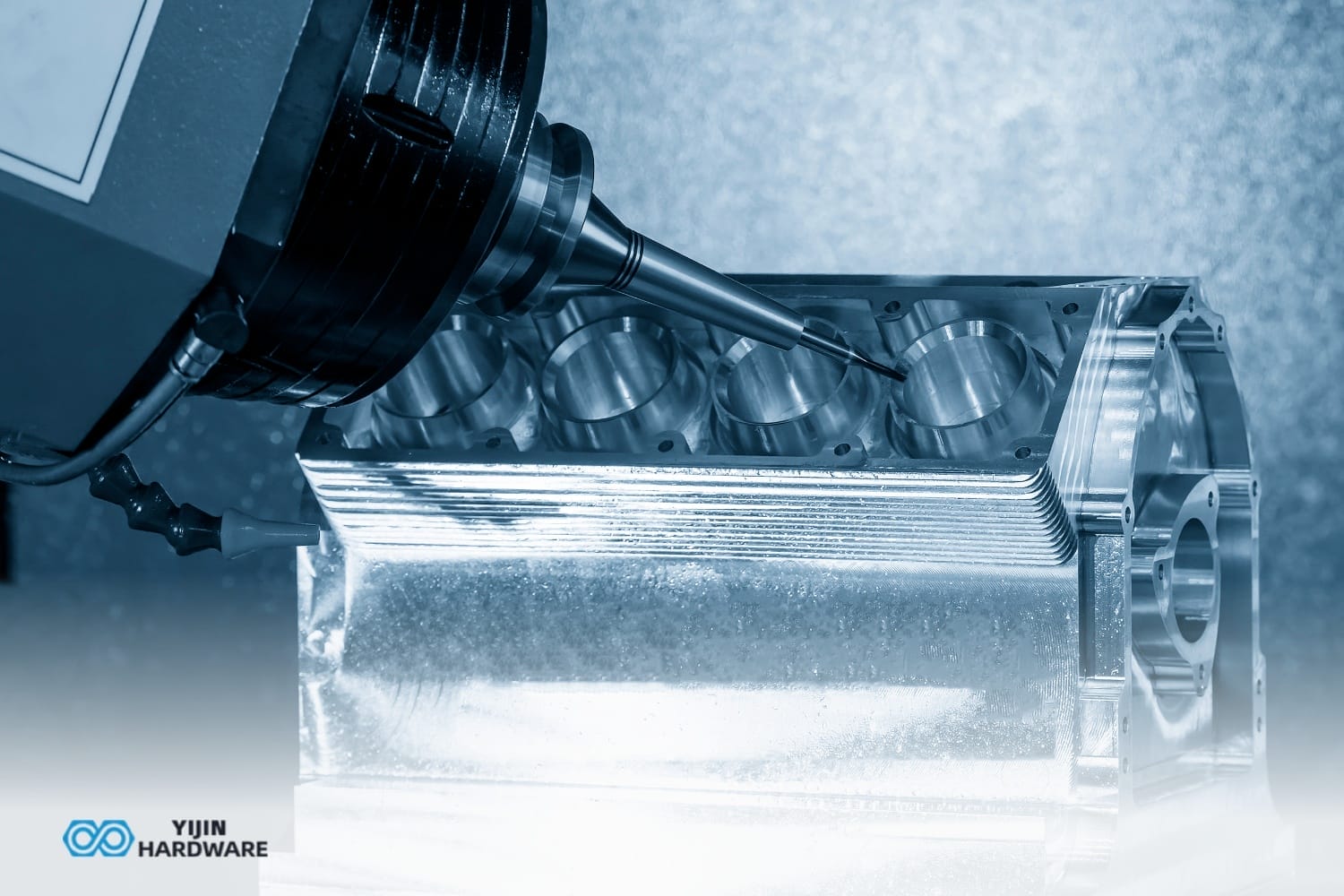
Countless key innovations drive the effectiveness and accuracy of CNC machining, making it possible for suppliers to generate intricate get rid of high accuracy. Central to these advancements are Computer system Assisted Style (CAD) and Computer System Helped Production (CAMERA) software application, which simplify the design-to-production procedure. CAD enables click to find out more elaborate layouts to be developed and controlled electronically, while webcam equates these layouts right into device guidelines.
Even more enhancing precision are multi-axis machining centers, which make it possible for cutting tools to relocate along several axes all at once, lowering the requirement for several configurations - fast prototyping. Furthermore, innovations in tooling products and layers have actually improved durability and performance, enabling far better surface area finishes and extended tool life
Automation technologies, including robotics and intelligent software application, promote real-time monitoring and modifications during production, making certain consistency and quality. Jointly, these modern technologies not only enhance production capabilities however also add to the overall reliability of CNC machining solutions.
The Function of Skilled Machinists in Quality Manufacturing
Experienced machinists play a vital role in making certain the quality and precision of CNC machining production. Their knowledge straight influences the end result of producing processes, as they translate technical illustrations, established machines, and select suitable devices for every task. By possessing a deep understanding of machining concepts, they can make real-time changes to enhance efficiency and keep tight resistances.
In addition, skilled machinists utilize their problem-solving capacities to determine and correct problems throughout production, preventing flaws and making certain that the last items fulfill strict high quality standards. Their familiarity with various products and machining techniques enables them to adjust to diverse task requirements, enhancing general effectiveness
Additionally, these professionals usually collaborate with designers and developers, giving important understandings that add to the constant improvement of manufacturing approaches. Inevitably, the value of competent machinists in CNC machining can not be overstated, as they create the backbone of premium production procedures.
Reducing Waste and Optimizing Resources
Effective CNC machining not only depends on the proficiency of proficient machinists but also stresses the relevance of minimizing waste and maximizing sources throughout the production procedure. By using advanced innovations and specific programming, manufacturers can minimize product waste, guaranteeing that every piece of basic material is utilized efficiently.
Integrating techniques such as nesting, where parts are prepared to optimize product use, can notably reduce scrap official website production. Furthermore, real-time surveillance of maker efficiency enables immediate adjustments, preventing overproduction and resource deficiency.
Furthermore, implementing sustainable methods, such as reusing steel shavings and utilizing green products, adds to both cost savings and environmental responsibility.
Through these measures, CNC machining solutions can boost efficiency while maintaining premium criteria, eventually resulting in a more rewarding and sustainable operation. By focusing on resource optimization, businesses can attain higher effectiveness and a lowered environmental footprint in their manufacturing procedures.
Choosing the Right CNC Machining Solution for Your Needs
Exactly how does one establish the very best CNC machining service for particular job needs? Choosing the suitable CNC machining service includes numerous crucial factors to consider. Initially, job specs, consisting of product resistances, types, and dimensions, have to be clearly specified. This guarantees that the picked solution can meet the technological needs of the job.
Second, assessing the company's proficiency and experience in the pertinent industry can provide understandings right into their capabilities. Analyzing past jobs and customer testimonies can additionally inform the choice.
Third, examining the readily available innovation and machinery is vital, as innovative devices frequently causes greater precision and efficiency.
Cost and turnaround time must be taken into consideration to guarantee the service straightens with budgetary restraints and deadlines. By carefully analyzing these elements, organizations can recognize the CNC machining service that ideal fits their special production demands.
Often Asked Concerns
What Products Can Be Utilized in CNC Machining?
CNC machining can use a range of materials consisting of steels like light weight aluminum, titanium, and steel, along with plastics such as acrylic and nylon, and composites, offering flexibility for different production applications and industries.
For how long Does a Regular CNC Machining Project Take?
A normal CNC machining project can take anywhere from a couple of days to numerous weeks, relying on aspects such as complexity, product type, style specifications, and manufacturing quantity. Timelines differ based upon project demands and necessity.
Are CNC Machining Services Eco-friendly?
CNC machining solutions can be eco friendly, particularly when utilizing effective processes and lasting products. Waste decrease and energy-efficient equipment contribute to a lower environmental impact, making these solutions a feasible alternative for eco-conscious production.
What Industries Generally Use CNC Machining Services?
CNC machining solutions are frequently utilized in numerous markets, including automotive, aerospace, electronic devices, medical devices, and manufacturing. These fields depend on precision machining for parts that need high accuracy, efficiency, and repeatability in manufacturing processes.
How Can I Prepare My Styles for CNC Machining?
To prepare designs for CNC machining, one must guarantee correct file styles, enhance measurements for tolerance, include required machining attributes, and consider material properties. Additionally, offering thorough documents can improve the production process's performance and precision.
While the choice of products is essential, adherence to resistance standards is similarly essential in CNC machining processes. Skilled machinists play a necessary duty in making sure the quality and accuracy of CNC machining production. A regular CNC machining task can take anywhere from a couple of days to numerous weeks, depending on factors such as intricacy, material type, design requirements, and production quantity. CNC machining solutions can be ecologically friendly, specifically when making use of sustainable materials and efficient processes. To prepare styles for CNC machining, one need to assure appropriate documents styles, enhance dimensions for tolerance, include required machining attributes, and take into consideration material properties.